Inclusive Dance Classes
Brandywine Center for Dance
At Brandywine Center for Dance in North Wilmington, Garnet Valley, Concordville & Delaware County, PA or beyond, we believe dance is far more than an art form—it is a powerful educational tool that supports cognitive development, emotional expression, physical coordination, and whole-child growth. Families searching for inclusive, therapeutic, and creative movement programs that support various learning styles often find us after looking for “adaptive dance classes near me," “dance classes for neurodiverse children,” “movement therapy for ADHD,” or “autism-friendly dance classes in Wilmington, DE” We proudly welcome dancers of all abilities, learning differences, and backgrounds.
How Dance Supports Learning, Neurodiversity & Whole-Body Development
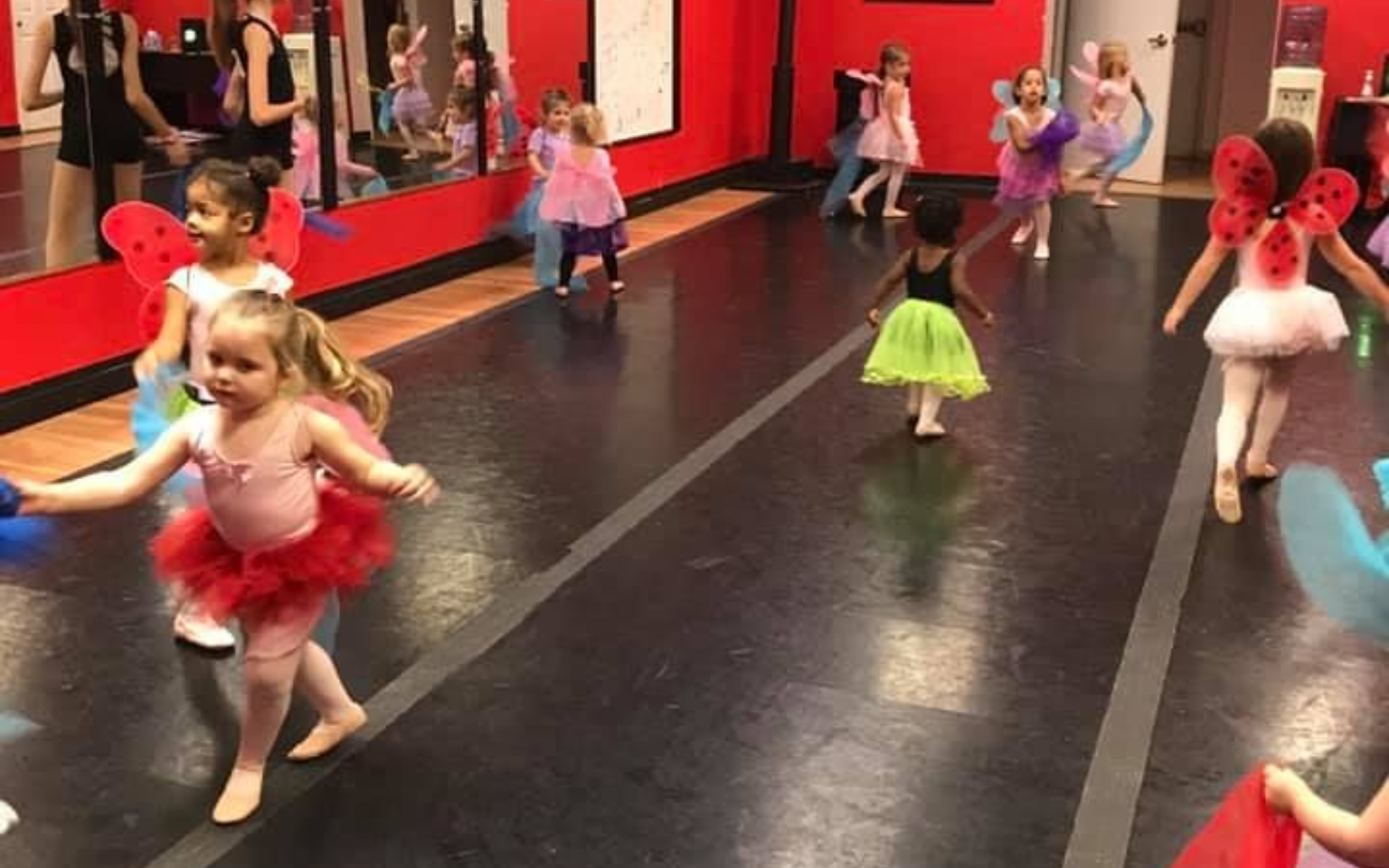
Dance offers unique benefits for children, teens, and adults because it connects the mind, body, emotions, and sensory systems in ways that traditional activities do not.
Below, we illustrate how dance transforms challenges into strengths for learners with dyslexia, ADHD, autism, deafness, and even high-performance athletes.
Dance Helps the Brain Build Positive Connections Across All Areas
Many parents come to us because their children struggle with confidence, focus, or coordination, and they’re searching for non-traditional ways to support development. Dance is a proven tool that strengthens brain-to-body communication by blending movement, patterning, rhythm, repetition, and emotional expression. These elements help students experience positive neurological feedback that translates into success academically, socially, and physically.
Dance Builds Cognitive & Emotional Gains
Enhances memory through movement sequencing
Improves concentration through rhythm and repetition
Supports emotional regulation through expressive choreography
Improves concentration through rhythm and repetition
Boosts confidence through mastery and performance
Dance Training Can Support Dyslexia Through Creative Brain Retraining
Families often ask us: “Can dance help with dyslexia?”
While dance is not a medical treatment, it can support cognitive processing skills that assist with reading, pattern recognition, and directional awareness.
Students with dyslexia frequently experience difficulty with reversals, sequencing, and left-right orientation. Through choreographed movement:
- The brain practices sequencing in a physical, memorable way
- Repetition helps correct cognitive reversal patterns
- Body-direction training supports left/right recognition
- Kinesthetic learning reinforces mental organization
By creatively modifying how the brain interprets movement, dancers begin to “reverse the reversal,” training their minds to produce more accurate and confident results.
ADHD Learners Thrive by Channeling Energy Into Structured Creativity
Parents searching for “ADHD-friendly activities,” “high-energy programs for kids,” or “movement classes for ADHD near me” often discover that dance offers the perfect blend of structure and freedom.
Children and adults with ADHD learn to:
- Redirect high energy into positive physical expression
- Build focus through rhythmic, repetitive movement
- Strengthen concentration in short, engaging combinations
- Develop emotional regulation through music and timing
- Gain confidence through achievable, creative success
Dance becomes a safe outlet where movement is not only allowed—it’s celebrated.
Autistic Students Benefit from Focused, Sensory-Friendly Artistic Development
Our studio offers adaptive approaches for autistic learners seeking a supportive creative environment. Many families searching for “autism-friendly dance classes,” “sensory-friendly dance programs,” or “structured artistic programs for ASD” choose Brandywine Center for Dance because of our calm, predictable teaching style.
Dance Helps Autistic Students:
- Develop sensory processing in a gentle, guided way
- Build focus through musical cues and structured patterns
- Express emotions through movement when words feel difficult
- Gain confidence in a safe, encouraging community
The artistic nature of dance gives autistic students a clear, centered focus where they can explore music, movement, and creativity at their own pace.
Deaf & Hard-of-Hearing Students Connect to Dance Through Vibration & Rhythm
Dance is a universal language, and for deaf or hard-of-hearing learners, movement becomes a powerful sensory tool.
Parents often ask: “Can a deaf child learn to dance?”
Absolutely. In fact, many excel because of their heightened awareness of vibration, breath, and body rhythm.
We Teach Deaf Dancers Using:
- Vibration awareness from the floor and speakers
- Visual rhythm cues
- Breath timing to connect movement and phrasing
- Environmental rhythm (wind, air, trees, internal sensation)
By feeling rhythm rather than hearing it, dancers express their hearts and minds through deeply connected movement.
Cross-Training for Professional Athletes in Wilmington, DE, West Chester, PA and Pennsville, NJ
Athletes from basketball, soccer, football, gymnastics, track, and cheer join our studio because they’re searching for “flexibility training,” “cross-training classes near me,” or “dance for athletes.”
Dance improves athletic performance by:
- Increasing flexibility and range of motion
- Building balance, control, and body awareness
- Strengthening stabilizer muscles
- Improving footwork, timing, and coordination
- Enhancing agility and explosive movement patterns
When athletes connect movement with music, they unlock a creative, fluid strength that enhances their performance in every sport.
Why Families Choose Brandywine Center for Dance in Wilmington, De
Our Studio Offers:
- Inclusive classes for all abilities
- Adaptive instruction that meets students where they are
- Certified, caring, patient instructors
- A warm, judgment-free dance environment
- Beginner-friendly pathways for every age
- Programs for toddlers, children, teens, adults, and athletes
Popular Class Options Include:
- Ballet
- Tap
- Jazz & Broadway
- Hip Hop
- Lyrical & Contemporary
- Creative Movement
- Adaptive Dance
- Adult Classes
- Toddler & Preschool Programs
Frequently Asked Questions
Can dance help with learning differences?
Yes—dance supports cognitive processing, motor planning, confidence, and emotional expression, making it beneficial for students with dyslexia, ADHD, ASD, and sensory challenges.
Do you offer adaptive dance for neurodivergent children?
Yes. We welcome learners of all abilities and modify movements to support each student’s success.
Can a child with ADHD stay focused in dance class?
Yes. The structure, rhythm, and movement sequences help channel energy and build focus.
Is dance suitable for autistic students?
Absolutely. Our structured, calm teaching style and musical cues help autistic learners thrive.
Do you offer dance classes for deaf children?
Yes. We focus on vibration, visual rhythm, breath, and sensory cues to teach movement and timing.
Do athletes use dance for cross-training?
Many athletes do. Dance improves flexibility, balance, control, and expressive performance.
Enroll in Inclusive Dance Classes in Wilmington, DE Today
If you’re searching for adaptive dance classes, therapeutic movement programs, dance for neurodivergent learners, or athletic cross-training in Wilmington, DE, Brandywine Center for Dance is here to support every dancer’s unique journey.
Get Started:
- Try a free trial class
- Explore our inclusive programs
- Speak with our instructors about adaptations
- Enroll for the season
Brandywine Center for Dance —Where every dancer belongs, grows, and shines.